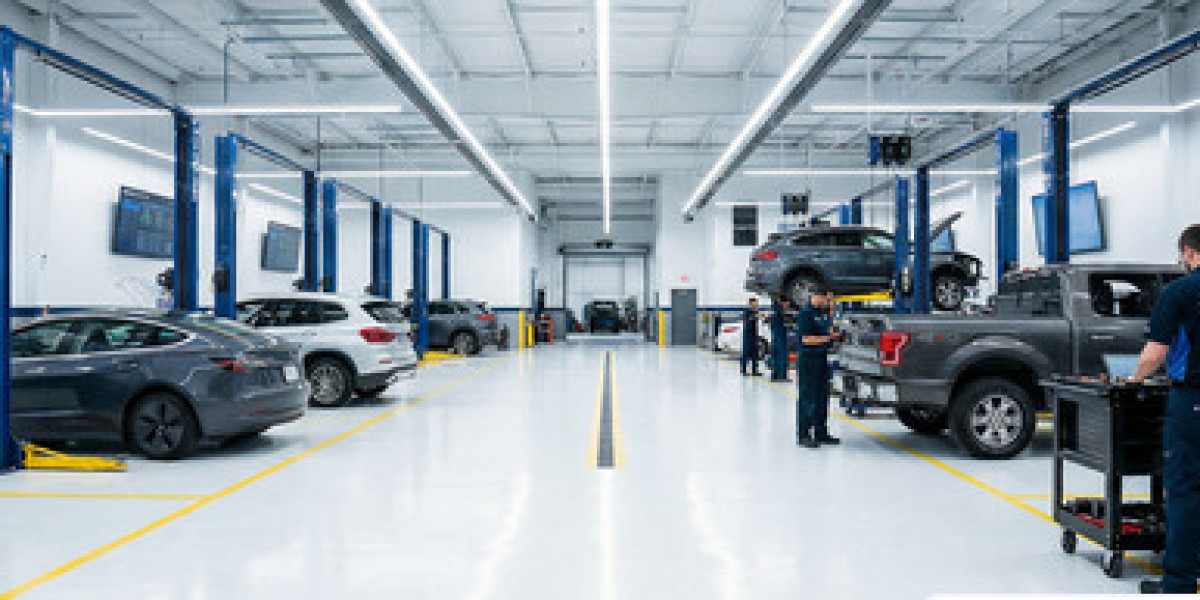

The automotive industry is rapidly evolving with the integration of artificial intelligence into vehicle damage assessment and insurance claim management systems. Traditional collision appraisal methods often involve manual inspections, paperwork delays, and communication gaps between insurance companies, repair facilities, and vehicle owners. These outdated processes can slow down claims approval and create inconsistencies in repair estimates. A revolutionary artificial intelligence framework for automated vehicle damage assessment and insurance claim coordination is helping businesses modernize operations while improving speed, precision, and customer satisfaction.
Artificial intelligence technologies are transforming the way vehicle damage is identified and evaluated after accidents. Modern systems use machine learning, image recognition, and predictive analytics to analyze photos of damaged vehicles within seconds. Instead of relying only on human inspections, AI-powered software can detect scratches, dents, structural issues, and damaged components with impressive accuracy. This automation allows insurance companies and repair facilities to reduce processing time while maintaining more consistent appraisal standards across different cases.
One of the most valuable benefits of intelligent damage assessment systems is faster insurance claim coordination. Vehicle owners traditionally face long waiting periods before receiving repair approvals or settlement decisions. AI frameworks streamline this process by automatically organizing damage data, generating digital reports, and sharing relevant information with insurers in real time. Faster communication between stakeholders leads to quicker approvals and reduced operational bottlenecks throughout the claims cycle.
The integration of cloud computing has also enhanced the efficiency of automotive insurance operations. Repair facilities, insurance adjusters, and claims departments can access centralized data from multiple locations without depending on outdated manual systems. Real-time updates allow repair shops to monitor repair progress, estimate costs more accurately, and coordinate with insurers more effectively. This connected ecosystem improves workflow transparency and minimizes delays caused by missing documentation or inefficient communication channels.
Another important advantage of AI-driven appraisal systems is the ability to optimize repair planning. Intelligent algorithms can recommend repair procedures based on vehicle type, historical repair data, and damage severity. These recommendations help technicians avoid unnecessary labor while ensuring that repairs meet safety and manufacturer standards. Efficient repair optimization not only lowers costs for insurers and repair facilities but also improves the overall customer experience.
As vehicle technology becomes more advanced, damage assessment has become increasingly complex. Modern vehicles include sensors, cameras, and advanced driver assistance systems that require specialized repair procedures. AI-powered assessment frameworks can identify these sophisticated components and generate more precise repair estimates. This reduces the likelihood of overlooked damage and helps ensure that vehicles are restored properly after collisions.
The use of predictive analytics is also becoming a key factor in modern automotive insurance management. AI systems can analyze massive amounts of collision and repair data to identify trends and forecast repair expenses. Insurance providers benefit from improved risk management strategies, while repair facilities gain valuable insights into workflow performance and resource allocation. These data-driven capabilities help businesses remain competitive in a rapidly changing industry environment.
Many organizations are now investing in AI Vehicle Collision Appraisal Platforms to create fully integrated ecosystems for damage assessment, insurance processing, and repair workflow coordination. These advanced platforms combine automation, analytics, and cloud-based communication tools into a unified system designed to simplify every stage of the claims process. By reducing manual tasks and improving operational efficiency, businesses can deliver faster and more reliable services to customers.
Artificial intelligence is also helping insurance providers reduce fraud and inaccurate claims submissions. Advanced image analysis systems can identify inconsistencies in uploaded accident photos and compare current claims with historical records. This additional layer of verification supports more accurate decision-making and reduces financial losses associated with fraudulent activities. Automated fraud detection systems are becoming an essential part of the modern insurance landscape.
Industry leaders and innovators continue to contribute to the growth of intelligent automotive technologies. Professionals such as Jackson Kwok co-founder of AVCaps.com have played an important role in promoting advanced solutions for collision appraisal and insurance workflow management. Their contributions highlight the increasing demand for digital transformation within the automotive repair and insurance sectors.
As artificial intelligence continues to evolve, automated vehicle damage assessment systems are expected to become even more intelligent and efficient. Businesses that adopt these next-generation frameworks early will likely benefit from improved operational performance, reduced processing costs, and stronger customer trust. The future of automotive insurance and collision repair will increasingly depend on AI-powered systems capable of delivering faster, smarter, and more accurate results across the entire claims and repair process.