Casino gambling is often understood as a world of chance, numbers, and entertainment, but for many beginners it can feel confusing at first. To make it easier to understand, real-life scenarios and simple examples help explain how casino games actually work, how decisions are made, and what outcomes players can expect. When seen through everyday situations, casino gambling becomes less mysterious and more like structured entertainment based on probability and rules.
Imagine a person walking into a casino for the first time with a fixed amount of money they are comfortable spending for entertainment. This is similar to buying a ticket for a concert or a sports match. They sit at a blackjack table and start observing how the game works. The dealer gives each player two cards, and the goal is to get a total closer to 21 without going over. In a real-life scenario, this is like making quick decisions based on limited information, similar to choosing whether to take an umbrella when the sky looks cloudy. You are not controlling the weather, but you are reacting based on probability and experience.
Now consider a slot machine example. A player inserts money, presses a button, and the reels start spinning. In real life, this can be compared to spinning a wheel in a game of chance where the outcome is completely random. There is no skill involved in influencing the result, just like rolling dice in a board game. The excitement comes from uncertainty, not control. People often enjoy this type of casino gambling because it is simple, fast-paced, and does not require complex decisions.
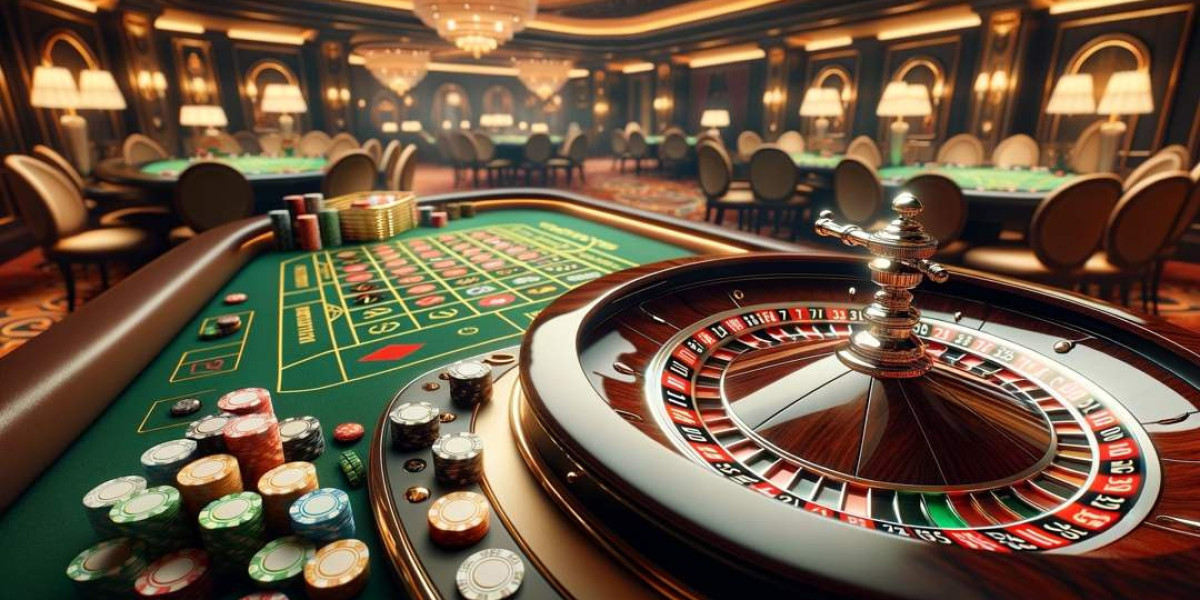
Roulette provides another clear example. A player places a bet on a color, red or black, and the wheel spins. In a real-life comparison, it is similar to guessing the outcome of a coin toss. You may feel like you can predict patterns, but each spin is independent of the last one. This teaches an important lesson: past outcomes do not guarantee future results. Many beginners mistakenly believe that trends can influence the next spin, but in reality, each event is separate.
To understand online gambling environments, imagine a digital platform where the same games are available on a screen instead of a physical table. A keyword often seen in discussions or searches is situs togel online, which refers to online gaming platforms. However, regardless of the platform, the core concept remains the same: outcomes are based on probability systems and random number generators, not human control. This is similar to using a calculator or computer program where inputs lead to unpredictable outputs depending on design.
Another helpful real-life scenario involves budgeting. Suppose a person sets aside a small amount of money for a weekend activity. They decide in advance that once the money is finished, they will stop playing. This is similar to setting limits when dining out or shopping. The purpose is not to earn money, but to enjoy an experience within planned boundaries. This approach highlights the importance of control and responsibility in gambling environments.
Casino games also demonstrate how emotions can influence decision-making. For example, a player who wins early may feel overconfident and continue playing longer than planned. This is similar to someone who wins in a small game and decides to risk more without considering the original plan. On the other hand, a player who loses might try to recover losses quickly, which can lead to impulsive decisions. In real life, this is similar to trying to fix a mistake too quickly without thinking carefully.
Another important example is understanding probability. Think of a simple jar filled with red and blue balls. If you pick one without looking, you cannot know the result in advance, but you can estimate the chances based on how many colors are inside. Casino gambling works in a similar way. Each game has built-in probabilities that determine long-term outcomes. While short-term results can vary, the structure of the game remains consistent.
Overall, casino gambling becomes easier to understand when compared with everyday experiences like guessing, budgeting, reacting to chance, and managing emotions. These real-life scenarios show that gambling is not about guaranteed outcomes, but about probability, entertainment, and decision-making under uncertainty. When approached with awareness and control, it can be seen as a structured form of entertainment rather than a predictable system of winning or losing.