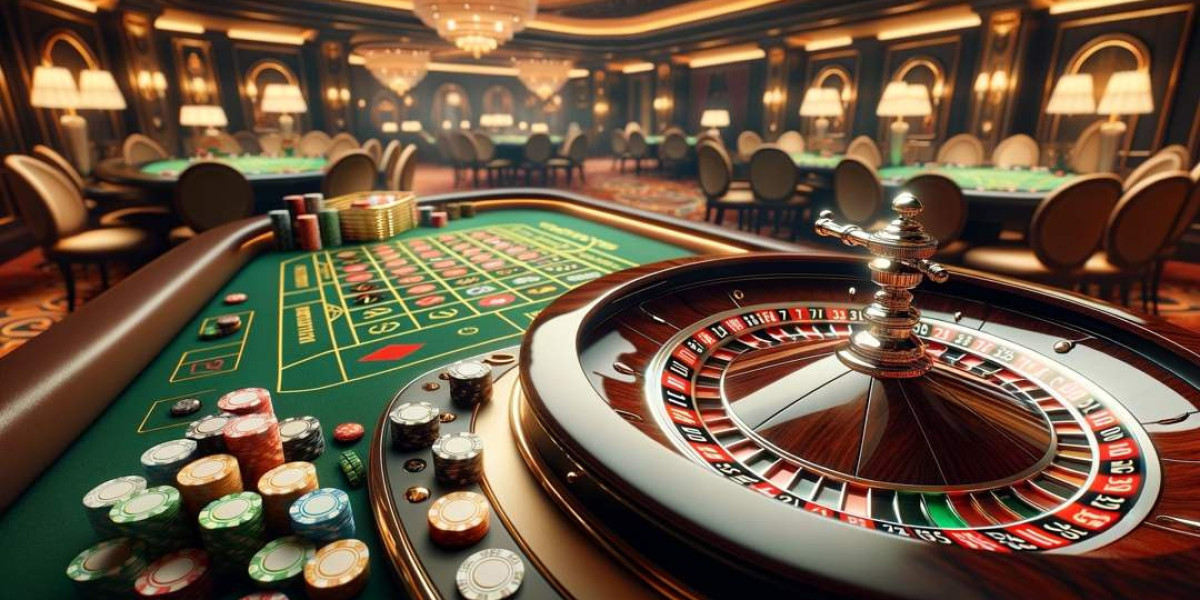
Games can become an important part of people''s free time. Many players try different games, but they often return to the same favorites again and again. This habit is not always about winning or completing a difficult task. A favorite game can offer comfort, fun, excitement, and a feeling of connection. When a game creates a good experience, players may remember it for a long time and want to enjoy that experience again.
One major reason players return to favorite games is familiarity. When people already understand how a game works, they do not need to spend a lot of time learning new rules. They can start playing quickly and enjoy themselves. Familiar controls, characters, maps, sounds, and game systems can make the experience feel comfortable. This is especially useful when someone wants to relax after a busy day. Instead of learning something new, they can simply open a game they already know and begin playing.
Fun is another strong reason for returning. A good game gives players activities that they enjoy doing. Some people like solving problems, while others enjoy exploring new areas or competing with other players. Some players prefer simple games that help them relax, while others enjoy games that require careful thinking. When a game matches a player''s interests, it can remain enjoyable even after many hours of play. This personal connection can make the game feel special.
Progress also encourages players to come back. Many games give players goals to work toward, such as unlocking characters, improving skills, reaching new levels, or collecting useful items. Even small achievements can create a sense of success. Players may return because they want to continue from where they stopped or reach a goal they could not complete before. The feeling of making progress can make each new session feel meaningful.
Another important factor is the emotional connection players can develop with a game. Characters, stories, music, and memorable moments can create strong feelings. A player may become attached to a character or enjoy returning to a world that feels familiar. These emotional experiences can make a game more than just entertainment. For example, a player may remember playing a certain game during an enjoyable period of life, which can make returning to it feel warm and comforting.
Social experiences can also bring players back. Multiplayer games allow friends and other players to spend time together, communicate, compete, and share funny moments. A game can become part of a person''s social routine. Even when the game itself has not changed much, playing with friends can make it feel fresh. Online communities can also give players reasons to return because they want to meet others, join activities, or discuss their experiences.
Easy access is another simple reason. Modern players can often find their favorite games on computers, consoles, phones, and other devices. Platforms such as Tp play can also make gaming more convenient for people who want quick access to entertainment. When a favorite game is easy to open and play, players are more likely to return whenever they have free time.
Nostalgia can be especially powerful. Some games remind players of childhood, school years, old friends, or earlier experiences. Returning to an older favorite can bring back memories and feelings connected to that time. This is one reason classic games can remain popular even when newer games offer better graphics and more advanced features. The emotional value of an older game cannot always be replaced by technology.
In the end, players return to favorite games because these games provide something they value. Familiarity, fun, progress, emotional connection, social interaction, easy access, and nostalgia can all play a role. A game does not need to be completely new every time to remain enjoyable. Sometimes, the comfort of knowing what to expect is exactly what players want. When a game creates positive memories and offers enjoyable experiences, it can become a trusted source of entertainment that players are happy to visit again and again.