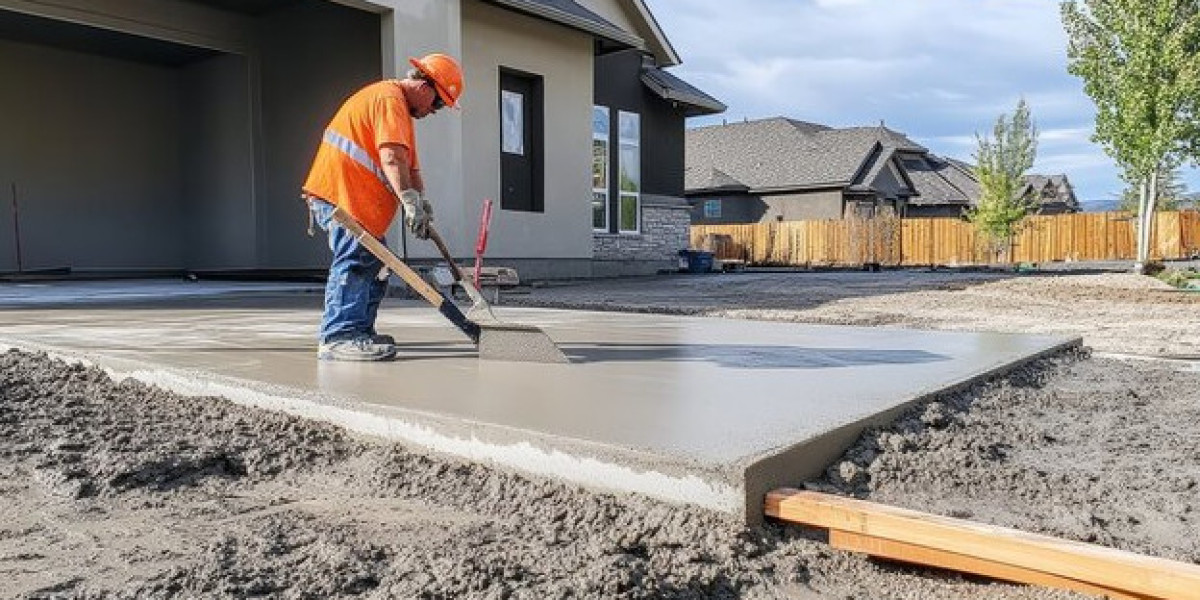

Concrete is one of the most durable and widely used construction materials, but even high-quality concrete can develop cracks over time. Homeowners and businesses often notice cracks in driveways, patios, sidewalks, or foundations and begin to worry about the structural impact. Understanding the causes of concrete cracks and knowing when to call professionals can help you maintain long-lasting surfaces. Many property owners rely on expert concrete repair Cranberry Township PA services to address these issues efficiently and prevent further damage.
Concrete cracks form for several reasons, and while some may seem minor, others can indicate deeper structural concerns. Knowing what causes these cracks helps you recognize the difference between cosmetic issues and serious problems that require professional attention.
One of the most common causes of concrete cracking is shrinkage. As concrete dries and hardens, it naturally loses moisture. This process causes the concrete to contract, and without proper control joints, cracks can form. Early-age shrinkage cracks tend to appear within the first few days after the concrete is poured. While some shrinkage is normal, poor installation practices or insufficient curing can make the problem worse. Professionals use specific curing methods, proper joint placement, and high-quality mixes to reduce the likelihood of shrinkage cracks.
Another major cause is temperature changes, which affect concrete just like many other building materials. Concrete expands in the heat and contracts in the cold. When temperatures shift rapidly, the repeated expansion and contraction create stress within the slab. Over time, this stress can lead to cracks, especially in outdoor structures such as driveways and walkways. Expert contractors install expansion joints to give the concrete room to move without cracking. These joints are placed strategically to absorb temperature-related movement and preserve the slab’s integrity.
Overloading is also a frequent contributor to concrete cracking. While concrete is strong, it has limits. Placing extremely heavy vehicles, equipment, or materials on a slab not designed to support such loads can cause cracks to develop. Residential driveways, for example, are not built to handle constant heavy-truck traffic. If your concrete surface experiences cracking from overloading, professionals may reinforce the structure, apply specialized patching materials, or recommend resurfacing to improve its strength.
Another factor that often leads to cracking is improper installation. If the concrete mix contains too much water, it becomes weaker once dry. Similarly, failing to compact the subbase correctly or pouring concrete on unstable soil can cause uneven settling. This results in cracks as the slab sinks or shifts over time. Experienced contractors ensure the right water-to-cement ratio, prepare the base thoroughly, and follow proper placement techniques to reduce the risk of future cracks.
Soil movement is another underlying cause. Some soils expand when wet and contract when dry. This continual movement puts pressure on concrete slabs, causing them to heave, settle, or crack. Foundations, sidewalks, and patios are especially vulnerable in areas with clay-rich or unstable soil. Professionals often stabilize the soil before pouring concrete or use reinforcement like rebar or wire mesh to strengthen the slab. If cracks form due to soil issues, experts may use leveling techniques such as mudjacking or polyurethane foam injection to lift and support the concrete.
Moisture-related problems also contribute to cracking. When water seeps underneath a concrete slab and then freezes, it expands. This freeze-thaw cycle pushes the concrete upward, resulting in cracks and surface damage. Proper drainage is crucial in preventing this. Contractors often install drainage solutions, seal cracks, and use freeze-resistant concrete mixes to combat moisture-related cracking.
Understanding the causes is only one part of the solution. The next step is knowing how experts repair and restore cracked concrete. Professional contractors use a variety of techniques depending on the severity, size, and type of crack.
For hairline cracks, specialists typically apply surface sealants or fillers. These prevent water infiltration and stop the crack from spreading. Sealants also improve the appearance of the concrete surface.
For larger or structural cracks, experts may use epoxy injections or polyurethane foam. Epoxy injections bond the concrete back together and restore its strength, making them ideal for structural repairs. Polyurethane foam is more flexible and works well for cracks caused by movement or moisture. Professionals choose the appropriate method based on the crack’s behavior and the condition of the surrounding concrete.
In cases where the slab has shifted or sunk, experts use slab lifting techniques. Mudjacking involves pumping a cement-based slurry beneath the slab to raise it back into place. Polyurethane foam lifting uses lightweight foam injected under the concrete, offering a faster and more modern solution. These methods restore the concrete’s original position and prevent additional cracking.
Sometimes, the surface of the concrete becomes flaky or damaged due to cracks and weathering. In such situations, contractors may recommend resurfacing. This involves applying a new layer of concrete or an overlay to give the surface a fresh, smooth appearance while enhancing durability.
In more severe cases where the slab is beyond repair, replacement may be necessary. Professionals remove the damaged concrete, prepare the base correctly, and pour a new slab using high-quality materials and proper reinforcement to ensure long-term performance.
Regular maintenance is also essential in preventing cracks from returning. Keeping the concrete sealed, ensuring proper drainage, and avoiding excessive loads can extend the life of your concrete surfaces. Scheduling periodic inspections with professionals can help you detect early signs of damage before they worsen.
Cracked concrete doesn’t always signal a major problem, but ignoring it can lead to costly repairs down the road. By understanding the common causes and relying on experienced professionals, you can maintain safe, attractive, and long-lasting surfaces. If you notice cracks forming, reaching out to specialists who provide reliable concrete repair services ensures your property remains in excellent condition for years to come.