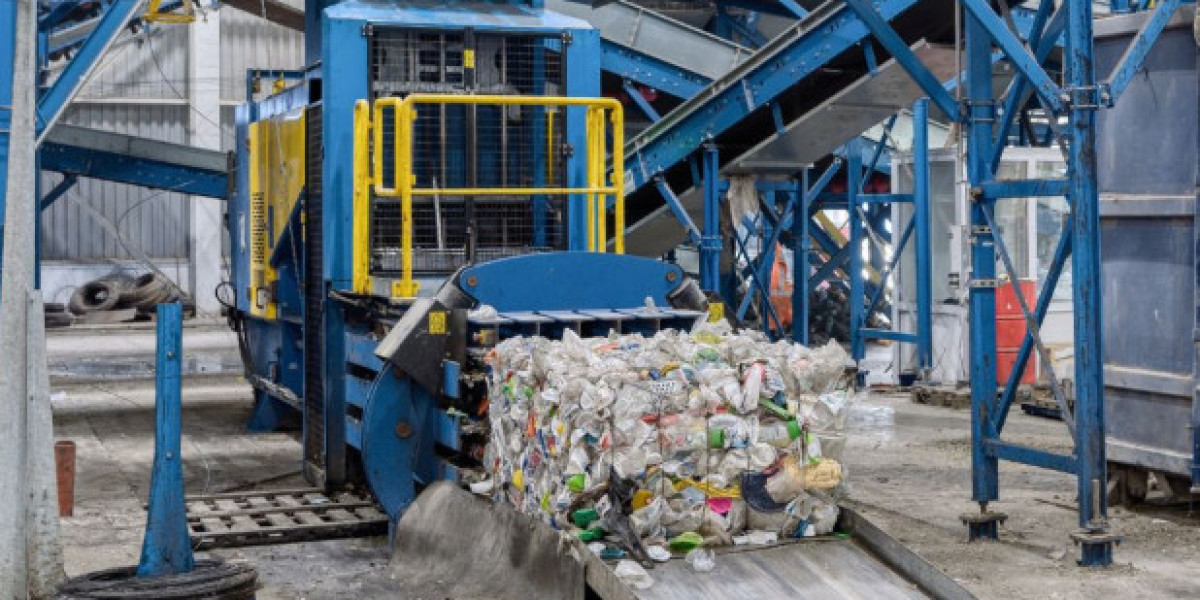

Waste management is often overlooked, yet it plays a crucial role in maintaining cleanliness, efficiency, and sustainability in both residential and commercial spaces. While many people are familiar with basic disposal methods, fewer understand the advanced systems that optimise waste handling. One such system is waste compactors, which significantly reduce the volume of waste and improve overall waste management efficiency. These machines are widely used in commercial and industrial settings, but their benefits extend beyond simple space-saving. Understanding how they work and their advantages can help individuals and businesses make smarter, more sustainable choices.
How Waste Compactors Actually Work
At their core, waste compactors are designed to compress waste materials into smaller, denser units. This is achieved through hydraulic or mechanical pressure that reduces the volume of waste significantly.
By using waste compactors, businesses can store more waste in less space, reducing the frequency of waste collection and lowering transportation costs. This simple yet effective mechanism plays a vital role in modern waste management systems.
The Hidden Efficiency Benefits
One of the lesser-known advantages of waste compactors is their ability to improve operational efficiency. By minimising the space occupied by waste, businesses can optimise storage areas and streamline waste handling processes.
This efficiency not only saves space but also reduces labour costs associated with frequent waste disposal. Over time, the use of waste compactors can lead to significant operational savings, making them a valuable investment for many organisations.
Environmental Impact And Sustainability
Sustainability is a growing concern, and waste compactors contribute positively to environmental conservation. By reducing the volume of waste, these systems decrease the number of trips required for waste collection vehicles.
This leads to lower fuel consumption and reduced carbon emissions. Additionally, efficient waste management through waste compactors helps reduce landfill usage, supporting broader environmental goals and sustainability initiatives.
Space Optimisation In Commercial Settings
Space is often limited in commercial environments such as restaurants, hotels, and retail stores. Waste compactors help address this issue by compressing waste into manageable sizes.
This allows businesses to utilise their available space more effectively, keeping work areas clean and organised. Proper use of waste compactors ensures that waste does not interfere with daily operations or create unsanitary conditions.
Cost Savings And Long-Term Value
Investing in waste compactors can lead to substantial cost savings over time. Reduced waste volume means fewer pickups, lower transportation fees, and decreased labour costs.
Additionally, the durability and efficiency of waste compactors make them a long-term solution for waste management. Businesses that adopt these systems often experience improved financial efficiency and better resource management.
Safety And Hygiene Advantages
Proper waste handling is essential for maintaining a safe and hygienic environment. Waste compactors help contain waste more effectively, reducing the risk of contamination, pests, and unpleasant odours.
By using waste compactors, businesses can ensure that waste is securely stored until disposal, improving overall hygiene standards and workplace safety.
Versatility Across Industries
Another important aspect of waste compactors is their versatility. They are used in a wide range of industries, including hospitality, healthcare, manufacturing, and retail.
Different types of waste compactors are designed to handle various materials, from general waste to recyclable materials. This adaptability makes them an essential tool in modern waste management systems.
Conclusion
Understanding the hidden benefits of efficient waste management systems can transform how businesses and individuals handle disposal.
In the middle of adopting advanced solutions, integrating an industrial shredder alongside waste management systems enhances efficiency by further reducing material size and improving processing capabilities.
With their ability to save space, reduce costs, and support sustainability, waste compactors continue to play a crucial role in modern waste management practices, making them an essential investment for a cleaner and more efficient future.