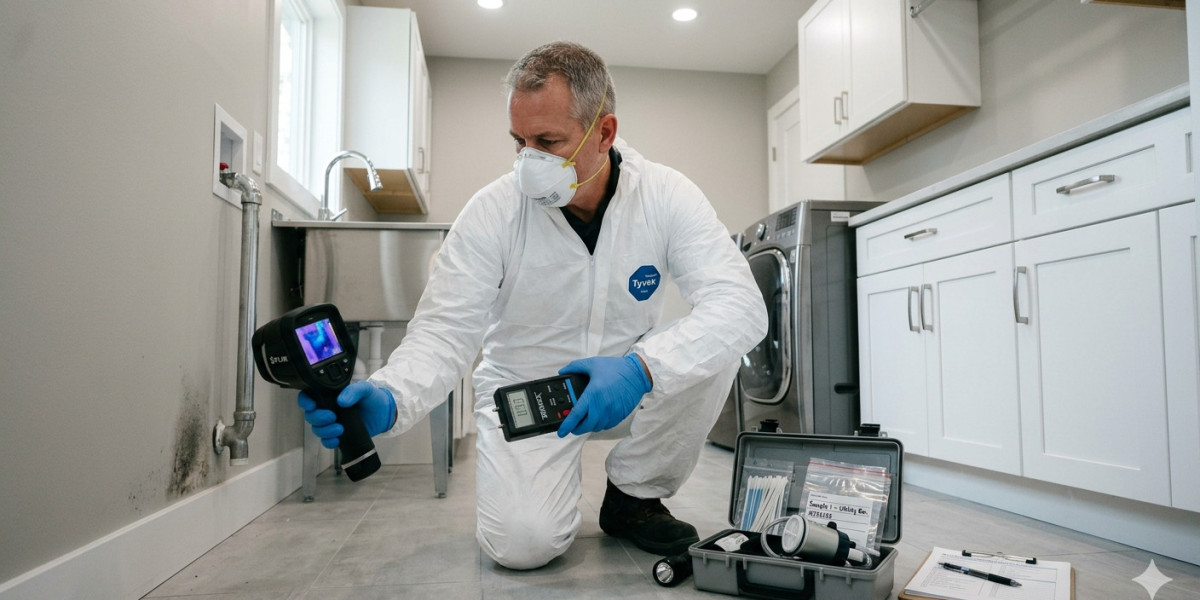

Mold is a common issue in homes and commercial buildings, especially in areas with high humidity or water damage. While some mold is visible, much of it can remain hidden behind walls, under flooring, or within HVAC systems. This is where mold inspection and testing becomes essential. It helps identify mold presence, determine its type, and assess potential health risks.
Understanding mold problems early can save property owners from costly repairs and protect occupants from health complications. In this article, we will explore what mold inspection and testing involves, why it matters, and how the process works in detail.
What Is Mold Inspection and Testing
Mold Inspection
Mold inspection is the process of visually examining a property to identify signs of mold growth or moisture problems that could lead to mold. A professional inspector looks for visible mold, water leaks, damp areas, and ventilation issues.
Mold Testing
Mold testing goes a step further by collecting samples from air or surfaces to determine the presence and concentration of mold spores. These samples are analyzed in a laboratory to identify mold types and severity levels.
Together, mold inspection and testing provide a complete picture of a property's mold condition.
Why Mold Inspection and Testing Is Important
Health Protection
Exposure to mold can cause a variety of health issues, including:
- Allergies
- Respiratory problems
- Skin irritation
- Asthma flare-ups
Certain types of mold can produce toxins that are especially harmful to children, elderly individuals, and those with weakened immune systems.
Property Protection
Mold can damage building materials such as wood, drywall, and insulation. Over time, this can weaken the structure of a property and lead to expensive repairs. Early detection through mold inspection and testing helps prevent long-term damage.
Indoor Air Quality
Mold spores can circulate through the air and reduce indoor air quality. Testing helps determine whether the air inside a property is safe to breathe.
Signs You May Need Mold Inspection and Testing
Not all mold problems are visible. Here are common signs that indicate you may need professional inspection and testing:
- Musty or earthy odors
- Recent water damage or leaks
- Visible mold spots
- Increased allergy symptoms indoors
- Peeling paint or warped walls
- Condensation or high humidity levels
If you notice any of these signs, it is wise to arrange a mold inspection and testing as soon as possible.
The Mold Inspection Process
Visual Assessment
The inspector examines the property for visible mold growth and moisture issues. Areas commonly checked include:
- Bathrooms
- Kitchens
- Basements
- Attics
- HVAC systems
Moisture Detection
Special tools such as moisture meters and thermal imaging cameras are used to detect hidden moisture behind walls or ceilings.
Identifying Problem Areas
The inspector identifies areas prone to mold growth and determines the source of moisture, which is critical for preventing future issues.
The Mold Testing Process
Air Sampling
Air samples are collected to measure the concentration of mold spores in the indoor environment. These samples are compared to outdoor air to assess contamination levels.
Surface Sampling
Swabs or tape lifts are used to collect samples from surfaces where mold is suspected.
Laboratory Analysis
The collected samples are sent to a laboratory where experts identify the type of mold and its concentration. This information helps determine the severity of the problem and the appropriate remediation steps.
Types of Mold Commonly Found
Some common types of mold include:
- Cladosporium – Often found on fabrics and wood surfaces
- Penicillium – Common in water-damaged materials
- Aspergillus – Frequently found indoors and can cause respiratory issues
- Stachybotrys (Black Mold) – Known for producing toxins and requiring immediate attention
Identifying the type of mold is an important part of mold inspection and testing because it influences the cleanup approach.
When Should You Schedule Mold Inspection and Testing
After Water Damage
If your property has experienced flooding, leaks, or burst pipes, mold can start growing within 24 to 48 hours. Immediate inspection is crucial.
Before Buying or Selling Property
Mold inspection and testing can provide peace of mind during real estate transactions. Buyers can ensure the property is safe, while sellers can address issues beforehand.
When Health Symptoms Appear
If occupants experience unexplained allergies or respiratory issues, mold may be the underlying cause.
Mold Inspection vs Mold Remediation
It is important to understand that inspection and testing are separate from remediation.
- Inspection and Testing: Identify and assess the problem
- Remediation: Remove mold and fix underlying issues
A proper inspection ensures that remediation efforts are targeted and effective.
Benefits of Professional Mold Inspection and Testing
Hiring professionals offers several advantages:
- Accurate detection of hidden mold
- Use of advanced tools and techniques
- Reliable laboratory analysis
- Expert recommendations for remediation
- Prevention of future mold growth
Attempting to assess mold problems without proper knowledge can lead to incomplete or incorrect conclusions.
Preventing Mold Growth
While mold inspection and testing are essential, prevention is equally important. Here are some tips to reduce mold risk:
- Maintain proper ventilation
- Fix leaks promptly
- Use dehumidifiers in humid areas
- Keep indoor humidity below 60%
- Clean and dry water-damaged areas quickly
Preventive measures can significantly reduce the likelihood of mold problems.
Conclusion
Mold inspection and testing play a vital role in maintaining a healthy and safe indoor environment. By identifying mold early and understanding its extent, property owners can take the necessary steps to protect both their health and their investment.
Whether you suspect mold growth or want to ensure your property is mold-free, professional inspection and testing provide the clarity and confidence needed to address the issue effectively. Taking proactive action today can prevent serious problems in the future.