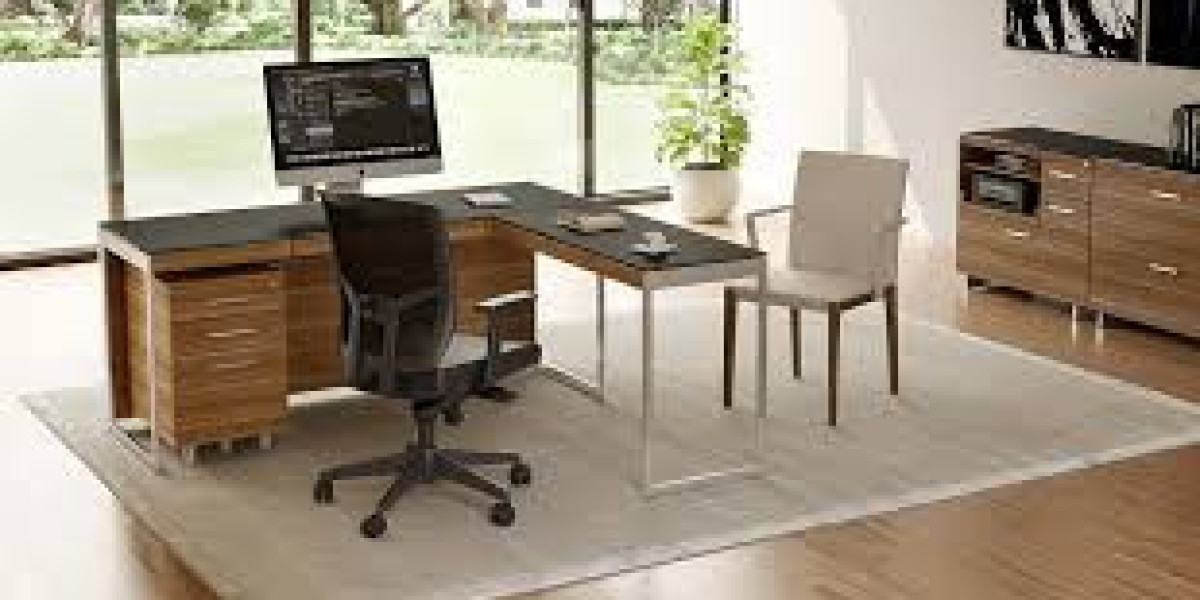

An office table and chair are the foundation of any productive workspace, whether it is a corporate office, home office, or shared working environment. These two essential pieces of furniture work together to create a functional, comfortable, and organized area where daily tasks are performed. The right combination of an office table and chair directly influences posture, efficiency, and overall work performance. In today’s modern work culture, where people spend long hours sitting and working on computers, the importance of choosing the correct office furniture has become more critical than ever.
The office table serves as the primary working surface where all activities take place. It holds computers, documents, office supplies, and other essential tools required for daily tasks. A well-designed office table provides enough space to keep everything organized without creating clutter. It also allows users to maintain a clean and structured environment, which is essential for focus and productivity. The design, size, and layout of the table play a significant role in determining how efficiently a workspace functions.
The office chair complements the table by providing the necessary support and comfort required for long hours of sitting. A properly designed chair ensures that the body remains in a natural position, reducing strain on the spine, neck, and shoulders. Without a suitable chair, even the best office table cannot provide a comfortable working experience. This is why both elements must be selected together to create a balanced and ergonomic setup.
One of the most important aspects of an office table and chair setup is ergonomics. Ergonomics refers to designing furniture that supports the natural posture of the human body. A well-designed ergonomic setup reduces physical stress and helps prevent common health issues such as back pain, neck strain, and fatigue. The height of the table and chair must be aligned so that the user can sit comfortably with feet flat on the floor and arms positioned naturally on the table surface. This alignment is crucial for maintaining a healthy posture throughout the day.
Modern office tables are available in a wide range of designs to suit different work environments. Standard rectangular tables are the most common because they provide a simple and practical layout. They are suitable for individual workstations and can easily fit into most office spaces. L-shaped tables are another popular option, offering additional surface area and better space utilization. These tables are especially useful in corner spaces and allow users to separate different work activities within the same desk.
Executive office tables are larger and more structured, designed for senior professionals and managerial roles. They often include additional storage features and a more formal appearance. On the other hand, compact office tables are designed for small spaces such as home offices or apartments. These tables focus on space efficiency while still providing essential functionality. The choice of table design depends on the available space, work requirements, and personal preferences.
Office chairs also come in various types, each designed for specific purposes. Task chairs are commonly used in offices for daily work. They are lightweight, adjustable, and easy to move, making them suitable for dynamic work environments. Ergonomic chairs are designed with advanced features that support posture and provide maximum comfort. They often include adjustable lumbar support, armrests, and reclining mechanisms. Executive chairs are larger and more luxurious, offering additional cushioning and a professional appearance. Each type of chair serves a different purpose, but all aim to provide comfort and support.
Material selection is another important factor when choosing an office table and chair. Office tables are commonly made from wood, engineered wood, metal, or a combination of materials. Wooden tables offer durability and a natural appearance, while engineered wood provides a cost-effective alternative. Metal frames add strength and stability, especially in modern and industrial designs. The choice of material affects not only the appearance but also the durability and maintenance of the furniture.
Office chairs are typically made using materials such as mesh, fabric, and leather. Mesh chairs are popular because they provide breathability and help keep the user cool during long working hours. Fabric chairs offer comfort and a soft feel, while leather chairs provide a premium and professional look. The choice of material depends on comfort preferences, climate conditions, and the overall design of the workspace.
Functionality is a key consideration in modern office furniture. Many office tables are designed with built-in features such as drawers, shelves, and cable management systems. These features help keep the workspace organized and reduce clutter. Cable management systems are especially important in today’s digital work environment, where multiple devices and wires are used. Keeping cables organized not only improves the appearance of the workspace but also enhances safety and efficiency.
Adjustability is another important feature in office chairs. Chairs that allow height adjustment, tilt control, and armrest positioning provide greater flexibility and comfort. Adjustable chairs are suitable for different users and can be customized according to individual needs. This is particularly useful in shared workspaces where multiple people use the same furniture. Proper adjustability ensures that each user can maintain a comfortable and healthy posture.
Space planning is an essential part of setting up an office table and chair. The arrangement of furniture should allow easy movement and accessibility. In open office layouts, tables and chairs are often arranged in clusters to promote collaboration while maintaining individual workspaces. In smaller spaces, compact designs and efficient layouts are used to maximize functionality without overcrowding the area. Proper space planning ensures a comfortable and productive working environment.
The aesthetic appeal of an office table and chair also plays a significant role in creating a positive workspace. A well-designed office setup enhances the overall appearance of the environment and creates a professional atmosphere. Modern designs often focus on clean lines, neutral colors, and minimalistic styles. These elements help create a calm and organized space that supports productivity and focus.
Comfort is one of the most important benefits of a well-designed office table and chair setup. When users are comfortable, they can focus better on their tasks and work more efficiently. Discomfort, on the other hand, leads to frequent breaks, reduced concentration, and lower productivity. Investing in comfortable furniture is therefore essential for maintaining high performance and job satisfaction.
Durability is another key factor to consider. Office furniture is used daily and must withstand regular wear and tear. High-quality materials and strong construction ensure long-term performance and reduce the need for frequent replacements. Durable office tables and chairs provide better value over time and contribute to a stable working environment.
Maintenance is relatively simple but important for preserving the quality of office furniture. Regular cleaning helps maintain the appearance of tables and chairs, while proper care prevents damage. Chairs may require occasional adjustment or maintenance of moving parts to ensure smooth operation. Proper maintenance extends the lifespan of the furniture and keeps the workspace looking professional.
The psychological impact of a well-organized workspace should not be overlooked. A clean and comfortable office environment promotes focus, reduces stress, and improves overall well-being. The right office table and chair setup can create a sense of order and professionalism, which positively influences work performance. Employees and individuals are more likely to feel motivated and productive in a well-designed workspace.
In modern work culture, flexibility has become increasingly important. Many office table and chair designs now support flexible working arrangements, including remote work and hybrid setups. Adjustable tables and ergonomic chairs allow users to adapt their workspace according to different tasks and preferences. This flexibility ensures that the workspace remains functional and comfortable under changing work conditions.
In conclusion, an office table and chair are essential components of any workspace. They provide the foundation for productivity, comfort, and organization. By focusing on factors such as ergonomics, material quality, functionality, and design, it is possible to create a workspace that supports both efficiency and well-being. Whether in a corporate office or a home setup, the right office table and chair combination plays a crucial role in achieving long-term productivity and comfort.